
-

Call Us Now
+91 8652865211 -

Email us
anuj.a@c3motors.com
How to Know When Your Car Tyres Need Replacement
Date: 15 Jan 2026
Your car tyres play a critical role in safety, comfort, fuel efficiency, and overall driving performance. Yet, tyre replacement is often delayed until visible damage or sudden failure occurs. Understanding the early warning signs that indicate tyre replacement is necessary can help prevent accidents, improve vehicle handling, and reduce long-term maintenance costs.
Below are the key indicators every car owner should be aware of.
Tread Depth Has Worn Down
Tyre tread is essential for grip, braking, and water dispersion. As tyres wear, their ability to maintain traction reduces significantly.
- If the tread depth falls below 1.6 mm, tyre replacement is legally and practically required.
- A simple tread wear indicator or coin test can help check this at home.
- Reduced tread increases the risk of skidding, especially on wet roads.
Tip: Uneven tread wear often points to alignment or suspension issues and should be inspected professionally.
Visible Cracks, Bulges, or Cuts
Physical damage to tyres should never be ignored.
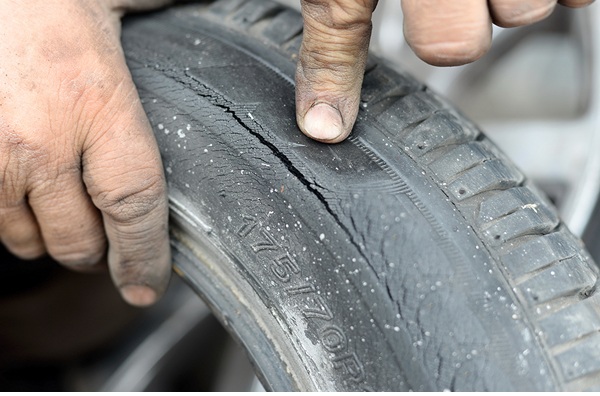
- Sidewall cracks indicate ageing or prolonged exposure to heat.
- Bulges or blisters suggest internal structural damage and can lead to sudden tyre bursts.
- Cuts or deep punctures weaken the tyre and compromise safety.
If any of these are present, replacement is recommended rather than repair.
Frequent Loss of Air Pressure
Tyres that require frequent air refilling may have internal damage or deteriorating rubber.
- Slow leaks can occur due to ageing tyres even without visible punctures.
- Continuous low pressure affects braking efficiency, tyre life, and fuel economy.
Consistent air loss is a strong sign that tyre replacement is approaching.
Uneven or Abnormal Tyre Wear
Uneven tyre wear patterns often signal mechanical issues.
Common causes include:
- Incorrect wheel alignment
- Poor wheel balancing
- Suspension or steering problems
Driving with unevenly worn tyres reduces stability and increases stress on other vehicle components. In such cases, tyre replacement should be combined with a proper wheel alignment and inspection.
Tyres Are More Than 5–6 Years Old
Even if tread appears acceptable, tyres age over time.
- Rubber compounds harden and lose flexibility.
- Older tyres are more prone to cracking and sudden failure.
Most manufacturers recommend replacing tyres every 5 to 6 years, regardless of usage. The manufacturing date can be found on the tyre’s sidewall (DOT code).
Increased Noise, Vibrations, or Poor Handling
If you notice changes in driving comfort, tyres could be the reason.
- Excessive road noise
- Steering vibrations
- Reduced grip while cornering or braking
These symptoms often indicate worn or damaged tyres and should be inspected promptly.
Reduced Performance in Wet Conditions
A clear sign of tyre deterioration is poor wet-road performance.
- Longer braking distances
- Reduced grip during rain
- Increased risk of hydroplaning
Tyres designed to disperse water lose effectiveness as tread wears down, making replacement essential for safety.
Replacing tyres at the right time is not just about avoiding breakdowns—it’s about ensuring safety, efficiency, and peace of mind. Regular tyre inspections, timely wheel alignment, and professional evaluations can significantly extend tyre life and improve driving performance.
If you notice any of the signs mentioned above, it’s best to consult a trusted car care professional and avoid unnecessary risks on the road.